Coenzyme Q10: The Antioxidant That Powers Healthy Skin
Every second, millions of tiny reactions take place inside your skin cells to keep them functioning normally. These reactions require energy, and one of the body's most important energy-supporting molecules is Coenzyme Q10, often called CoQ10. Beyond producing cellular energy, CoQ10 also acts as a powerful antioxidant, helping defend the skin against free radicals created by sunlight, pollution and everyday environmental stress. Although our bodies naturally produce CoQ10, levels gradually decline with age, making it an increasingly valuable ingredient in modern skincare.

What Is Coenzyme Q10?
Coenzyme Q10 (CoQ10), also known as ubiquinone, is a naturally occurring molecule found in almost every cell of the human body. It plays two essential roles that are closely connected.
First, it helps cells produce energy.
Second, it helps protect cells from oxidative stress caused by unstable molecules known as free radicals.
Because skin is constantly exposed to sunlight, pollution, temperature changes and other environmental challenges, it uses a significant amount of CoQ10 every day. Healthy levels help skin function efficiently while supporting its natural defence systems.
Unlike many skincare ingredients that come from plants, CoQ10 is something your own body already makes. Unfortunately, natural production gradually slows as we get older, which is one reason it has become such a well-studied ingredient in skincare research.
Core Concept One: CoQ10 Helps Skin Produce Energy
Every skin cell requires energy to perform its everyday tasks.
These include:
- renewing old skin cells
- maintaining the skin barrier
- producing proteins
- responding to environmental stress
- supporting natural repair processes.
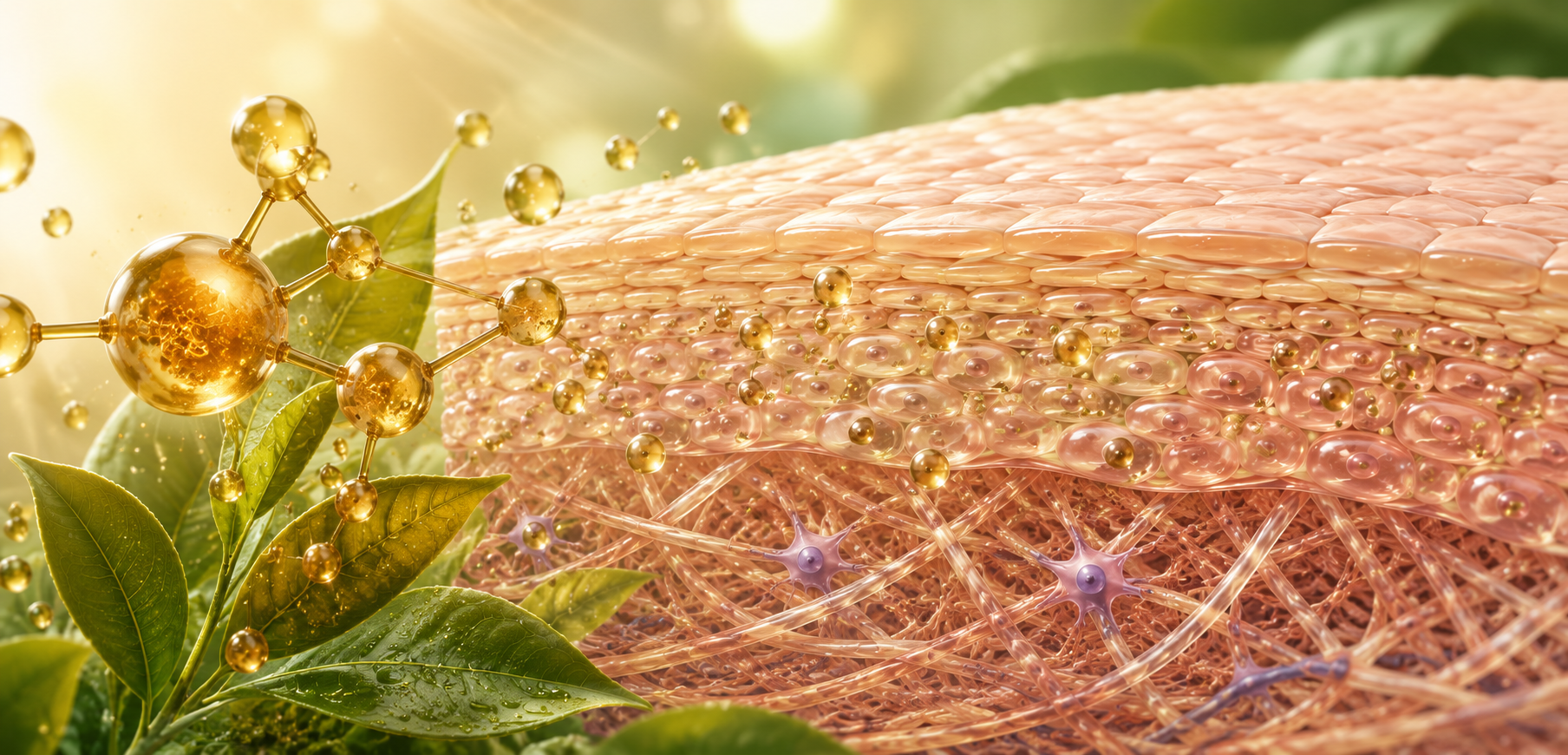
That energy is produced inside tiny structures called mitochondria, often described as the power stations of the cell.
CoQ10 is an essential part of this energy production process.
Without adequate CoQ10, cells become less efficient at generating the energy needed to perform their normal functions. While skincare cannot reverse the natural ageing process, maintaining healthy skin function is an important part of supporting overall skin quality.

Why Cellular Energy Matters
Healthy skin is constantly renewing itself.
New cells are produced deep within the epidermis before gradually moving towards the surface over several weeks. Barrier lipids are continually replenished, and proteins are constantly being manufactured.
All of these processes require energy.
When skin cells have the resources they need to function efficiently, the skin is generally better able to maintain hydration, resilience and overall appearance.
Core Concept Two: CoQ10 Is Also a Powerful Antioxidant
Energy production naturally creates small amounts of free radicals.
External factors create even more.
Common sources include:
- ultraviolet (UV) radiation
- pollution
- cigarette smoke
- chronic inflammation
- normal metabolism.
Free radicals are unstable molecules that seek electrons from surrounding structures. If too many accumulate, they may damage proteins, lipids and DNA through a process known as oxidative stress.
This is where CoQ10 provides its second important function.
As an antioxidant, CoQ10 helps neutralise free radicals before they can cause unnecessary cellular damage.
Rather than repairing damage that's already occurred, antioxidants help reduce the amount of damage happening in the first place.
This protective role becomes increasingly important because our natural antioxidant reserves decline over time.
CoQ10 and Skin Ageing
Ageing is influenced by many different factors.
Some are genetic.
Others relate to lifestyle and environmental exposure.
Oxidative stress is one of the biological processes that contributes to visible skin ageing over many years.
When oxidative stress becomes excessive, it may contribute to:
- reduced skin resilience
- uneven skin tone
- increased roughness
- gradual collagen degradation
- the appearance of fine lines.
By helping reduce oxidative stress, CoQ10 supports the skin's own protective systems rather than acting as a quick cosmetic fix.
💡 Joanne's Insight
One of the biggest lessons I've learned over decades of treating skin is that healthy skin isn't created by chasing stronger treatments. It's built by consistently supporting the skin's natural biology. Antioxidants like CoQ10 work quietly in the background every day, helping the skin cope with the environmental stress it experiences long before visible damage appears.

Core Concept Three: Why CoQ10 Levels Decline
Our bodies naturally produce CoQ10 throughout life.
However, production gradually decreases with age.
Research suggests that declining CoQ10 levels may reduce both cellular energy production and antioxidant protection over time. This doesn't suddenly change the skin, but it contributes to the gradual changes associated with ageing.
Environmental stress may also increase the skin's demand for antioxidants.
Regular UV exposure, pollution and other everyday stressors continually use antioxidant reserves.
For this reason, topical CoQ10 has become a popular ingredient in skincare designed to support mature or environmentally stressed skin.
Because CoQ10 is oil-soluble, it is commonly formulated into creams, moisturisers and facial oils where it can be delivered alongside other lipid-soluble ingredients.
CoQ10 Works Best With Other Antioxidants
Skin contains an entire network of antioxidants rather than relying on just one.
These antioxidants often work together.
CoQ10 is frequently paired with ingredients such as:
- Vitamin C
- Vitamin E
- Green Tea Polyphenols
- Resveratrol
- Ferulic Acid.
Together, they create broader antioxidant protection than any single ingredient alone.
This is one reason many modern skincare formulations combine multiple antioxidants within the same routine.
❌ Myth vs ✅ Reality
Myth: CoQ10 can erase wrinkles.
Reality: CoQ10 doesn't remove wrinkles or reverse ageing. Instead, it supports healthy cellular function and helps protect the skin from ongoing oxidative stress that contributes to visible ageing over time.
🧠 Did You Know?
Nearly every cell in your body contains mitochondria—and almost every mitochondrion relies on Coenzyme Q10 to help produce the energy needed for normal cellular function.
Why This Matters
Most people think about skincare only in terms of what they can immediately see.
Healthy skin starts much deeper.
Every day, your skin is balancing energy production, barrier maintenance, antioxidant protection and continual renewal.
Supporting these natural processes helps the skin remain healthier over the long term.
CoQ10 is one ingredient that contributes to several of these systems simultaneously.
Rather than dramatically changing the skin overnight, it works by supporting the biological processes that healthy skin already performs.
✨ Why It Matters
Understanding how CoQ10 works helps explain why antioxidant skincare isn't just about preventing wrinkles. It's about supporting the skin's everyday ability to cope with environmental stress while maintaining healthy function throughout life.
👩⚕️ Skin Therapist Tip
Think of antioxidants as daily protection rather than occasional treatment. Applying antioxidant-rich skincare in the morning before sunscreen can help support your skin as it faces everyday environmental exposure.
Which Shanga Products Contain Coenzyme Q10?
According to the current ingredient information available on the Shanga website, Coenzyme Q10 (Ubiquinone) is specifically featured in:
- Radiance Elixir – combines olive-derived squalane with Coenzyme Q10 (Ubiquinone) to deliver this oil-soluble antioxidant in a skin-compatible botanical oil blend.
In addition, the Renew & Restore Ritual identifies Coenzyme Q10 as one of its key supporting actives, alongside retinol, peptides, hyaluronic acid and vitamin C.
Conclusion
Coenzyme Q10 is unique because it supports two of the skin's most fundamental needs: energy production and antioxidant protection.
As natural levels gradually decline with age, topical CoQ10 offers a practical way to complement the skin's existing defence systems. While it isn't a miracle ingredient, it plays an important supporting role within a well-formulated skincare routine focused on maintaining healthy, resilient skin.
Like many of the best skincare ingredients, its greatest strength lies not in dramatic claims but in consistently supporting the biology that healthy skin depends on every day.
Key Takeaways
- Coenzyme Q10 is naturally produced by your body.
- It helps skin cells produce the energy needed for normal function.
- CoQ10 is also a powerful antioxidant that helps neutralise free radicals.
- Natural CoQ10 levels gradually decline with age.
- Topical CoQ10 may help support healthy, resilient skin exposed to environmental stress.
- It works particularly well alongside other antioxidants such as Vitamin C, Vitamin E, Green Tea and Resveratrol.
- Consistent daily skincare provides greater long-term benefit than occasional use.
Continue Your Learning
Now that you understand how Coenzyme Q10 supports both cellular energy and antioxidant protection, continue with the next lesson:
Vitamin E in Skincare: How This Antioxidant Protects and Supports the Skin Barrier

Vitamin E works closely with CoQ10 within the skin's natural antioxidant network, helping stabilise cell membranes, protect barrier lipids and strengthen the skin's defences against everyday environmental stress. Next lesson