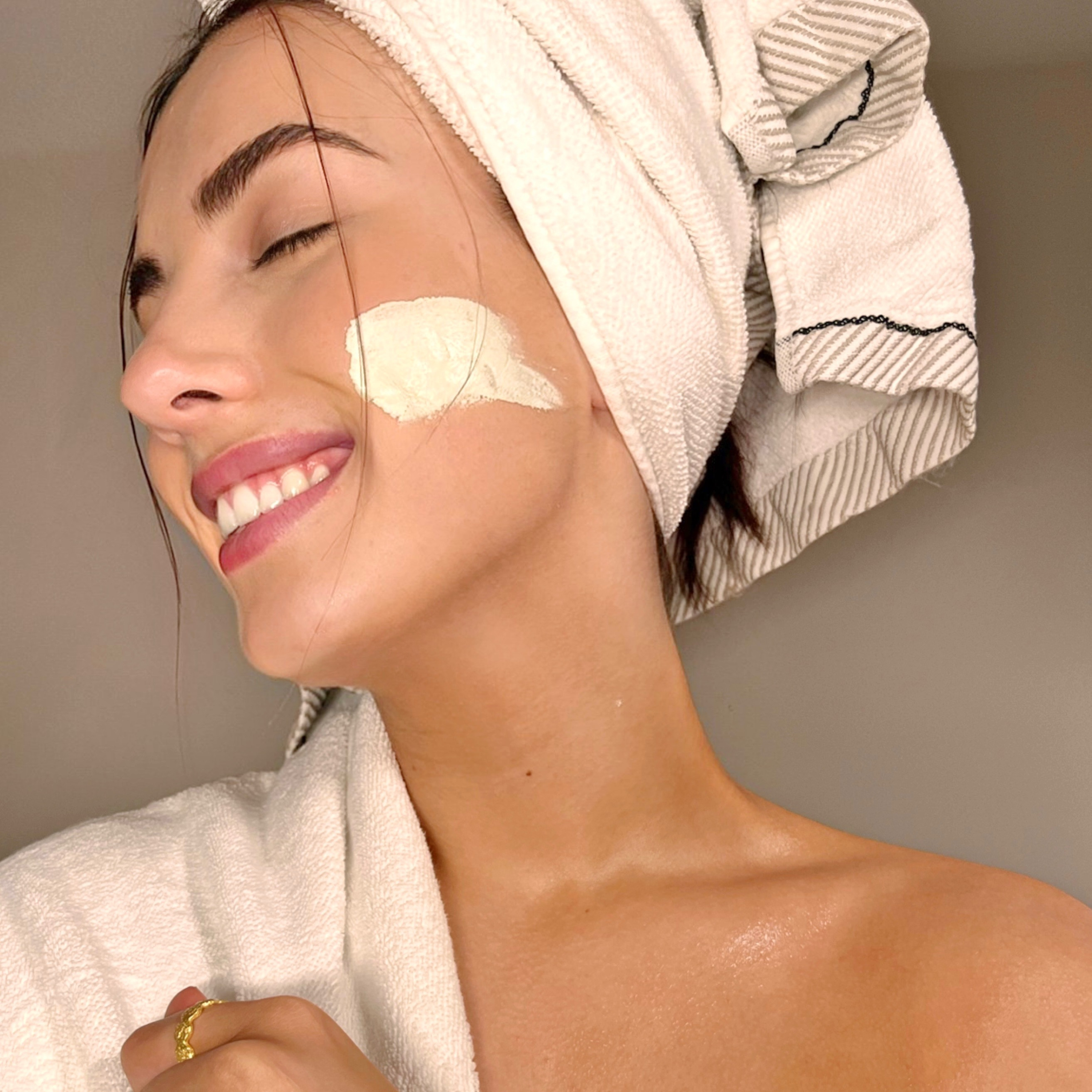

Overnight Skin Repair Explained: What Really Happens While You Sleep
Every day, your skin works hard to protect you from sunlight, pollution, temperature changes and countless environmental stressors. At night, its priorities begin to change.
While you sleep, your skin continues a remarkable range of biological activities that help maintain its strength, resilience and healthy appearance. New skin cells are produced, the skin barrier is supported, collagen production continues, and damaged molecules are gradually replaced through normal cellular maintenance.
Although skincare cannot force your skin to repair itself overnight, your evening routine can help create an environment that supports these natural processes. Understanding what really happens while you sleep makes it easier to choose products—and habits—that work with your skin rather than against it.

Section 1 — Your Skin Never Stops Working
One of the biggest misconceptions in skincare is that your skin becomes inactive while you sleep.
In reality, your skin remains biologically active around the clock. The difference is that its priorities change.
During the day, your skin focuses on protection. It acts as a barrier against:
- UV radiation
- Pollution
- Dry air
- Wind
- Microorganisms
- Physical damage
At night, when these external challenges are reduced, many maintenance processes become more active.
Rather than constantly defending itself, the skin can devote more energy towards renewal, rebuilding and maintaining healthy tissue.
This doesn't mean everything only happens at night—many repair processes occur continuously—but sleep provides an important window that supports healthy skin biology.
🧠 Did You Know?
Many skin cells follow circadian rhythms—the body's natural 24-hour clock—which influences when different biological activities are most active.

Section 2 — What Happens During Overnight Skin Repair?
The phrase overnight repair often appears on skincare packaging, but it can sound mysterious.
In reality, overnight skin repair refers to the natural biological maintenance that happens while we sleep.
These processes include several interconnected systems working together.
Cell turnover continues
New skin cells are formed in the lower layers of the epidermis.
Over time, these cells gradually move towards the surface before naturally shedding.
This ongoing cycle helps maintain a healthy skin barrier.
The skin barrier is supported
Throughout the day, the outer barrier gradually loses water and experiences minor environmental stress.
At night, the skin continues replacing lipids, organising barrier structures and maintaining the protective outer layer.
This helps reduce unnecessary water loss and supports comfortable, resilient skin.
Collagen production continues
Deep within the dermis, fibroblasts continue producing collagen and other structural proteins.
Collagen isn't produced only while sleeping, but healthy sleep supports the normal biological environment that allows these cells to function effectively.
Cellular housekeeping
Skin cells continuously identify and recycle damaged proteins, worn-out cell components and other unnecessary materials.
This process helps maintain healthy cellular function over time.
These activities happen every day throughout life, quietly supporting the health and integrity of the skin.
💡 Joanne's Insight
One of the most common things I notice in the treatment room is how quickly skin can begin looking tired after several poor nights of sleep. It's rarely because the skin has suddenly aged—it's usually because the natural renewal processes haven't been supported as well as they normally are. Often, improving sleep consistency has a surprisingly noticeable effect on how refreshed the skin appears.

Section 3 — Why Sleep Matters for Healthy Skin
Healthy sleep benefits every system in the body, including the skin.
During sleep, the body carefully regulates hormones, immune function and many cellular activities that influence skin health.
Poor sleep doesn't instantly damage the skin, but consistently inadequate sleep may influence:
- skin hydration
- barrier function
- inflammation
- wound healing
- overall skin appearance
This is one reason people often notice their complexion looking dull, puffy or less refreshed after poor-quality sleep.
Sleep also allows the body to regulate stress hormones more effectively.
Chronically elevated stress hormones can contribute to increased inflammation and may make existing skin concerns feel more noticeable.
Good skincare supports healthy skin, but it works best alongside healthy lifestyle habits.
Sleep, nutrition, movement and sun protection all contribute to the environment in which your skin functions.
❌ Myth vs ✅ Reality
Myth: Your skin completely repairs itself overnight.
Reality: Skin repair is an ongoing process that happens continuously. Sleep supports many natural maintenance and renewal processes, but healthy skin develops through consistent care over weeks, months and years.

Section 4 — How Evening Skincare Supports Overnight Repair
Evening skincare doesn't replace your skin's biology.
Instead, it helps create favourable conditions for these natural processes.
After cleansing away sunscreen, oil, makeup and environmental debris, the skin is ready to receive products that support overnight maintenance.
Different ingredients contribute in different ways.
Hydrating ingredients
Humectants such as hyaluronic acid and glycerin help attract water into the outer layers of the skin.
Barrier-supporting ingredients
Ceramides, cholesterol and fatty acids help support the organisation of the skin barrier.
Vitamin A derivatives
Retinoids work with the skin's natural renewal processes over time and are commonly used in evening routines because they can increase sun sensitivity.
Antioxidants
Although often associated with daytime protection, antioxidants also continue helping defend skin cells against free radicals generated through normal metabolism.
No single ingredient performs every task.
Healthy skincare routines work because multiple ingredients support different biological systems together.
👩⚕️ Skin Therapist Tip
Your evening routine doesn't need to be complicated.
For most people, a gentle cleanser followed by appropriate treatment products and a moisturiser is enough to support healthy overnight skin maintenance. Consistency matters far more than using lots of products.

Section 5 — Why Overnight Repair Is Part of the Bigger Picture
It's tempting to think of overnight repair as a single event.
In reality, it connects almost every biological process you've explored throughout this section of the Academy.
Healthy overnight maintenance depends on:
- healthy cell turnover
- healthy collagen production
- functioning fibroblasts
- effective antioxidant systems
- balanced inflammation
- DNA maintenance
- a resilient skin barrier
- adequate hydration
These systems don't work independently.
Each supports the others.
For example, healthy collagen helps maintain skin structure.
A healthy barrier reduces unnecessary water loss.
Balanced inflammation allows normal healing.
Antioxidants help reduce oxidative stress.
Together, they create the conditions that allow healthy skin to function well over time.
This is why skincare should never focus on a single ingredient or one miracle product.
Healthy skin is the result of many small biological systems working together every day—and every night.
✨ Why It Matters
Understanding overnight repair helps set realistic expectations. Skincare doesn't force your skin to regenerate while you sleep, but it can support the natural processes already taking place. Combined with healthy sleep, sun protection and consistent skincare, these small nightly habits contribute to healthier skin over time.
Conclusion
Your skin is remarkably active while you sleep.
As your body rests, skin cells continue dividing, fibroblasts maintain the dermis, barrier lipids are replenished and countless tiny maintenance processes quietly keep healthy skin functioning.
These changes aren't dramatic or instant.
They happen gradually, night after night.
Understanding overnight repair reminds us that skincare works best when it supports biology rather than trying to replace it. Consistency, realistic expectations and healthy daily habits remain the foundation of long-term skin health.
Key Takeaways
- Overnight skin repair is a natural biological process that continues while you sleep.
- Skin shifts from daytime protection towards maintenance and renewal overnight.
- Cell turnover, collagen production and barrier support all continue during sleep.
- Healthy sleep supports many biological systems that influence skin health.
- Evening skincare helps create favourable conditions for overnight maintenance.
- Consistency is more important than complex routines.
- Healthy skin develops through many small processes working together over time.
Continue Your Learning
Overnight repair is just one part of the bigger story of how skin changes throughout life.
In the next lesson, The Ageing Process, you'll discover how genetics, sunlight, lifestyle and the passage of time gradually influence collagen, elastin, cell turnover and the skin barrier—and why healthy ageing begins with understanding your skin's remarkable biology.