Squalane: The Skin-Identical Moisturiser That Supports Every Skin Type
Few skincare ingredients are as universally loved as squalane. Lightweight, silky and remarkably compatible with human skin, it helps replenish moisture without feeling greasy or heavy. Unlike many oils, squalane closely resembles one of the natural lipids already found within our skin, making it suitable for almost every skin type—including dry, oily and sensitive skin.
Whether you're looking to strengthen a compromised skin barrier, improve comfort during colder months or simply maintain healthy-looking skin, understanding how squalane works can help you choose moisturisers and facial oils with greater confidence.

Full Lesson
What Is Squalane?
Squalane is a stable moisturising ingredient that belongs to a group of substances known as lipids—the natural oils that help keep our skin soft, flexible and protected.
It is derived from squalene, a compound naturally produced by our sebaceous glands as part of healthy sebum. Sebum forms part of the skin's protective barrier, helping reduce water loss while keeping the skin supple.
However, there is an important difference:
- Squalene is naturally found in skin but oxidises easily when exposed to air.
- Squalane is a hydrogenated, highly stable version used in skincare products.
This improved stability means it lasts longer, remains effective in formulations and is less likely to degrade over time.
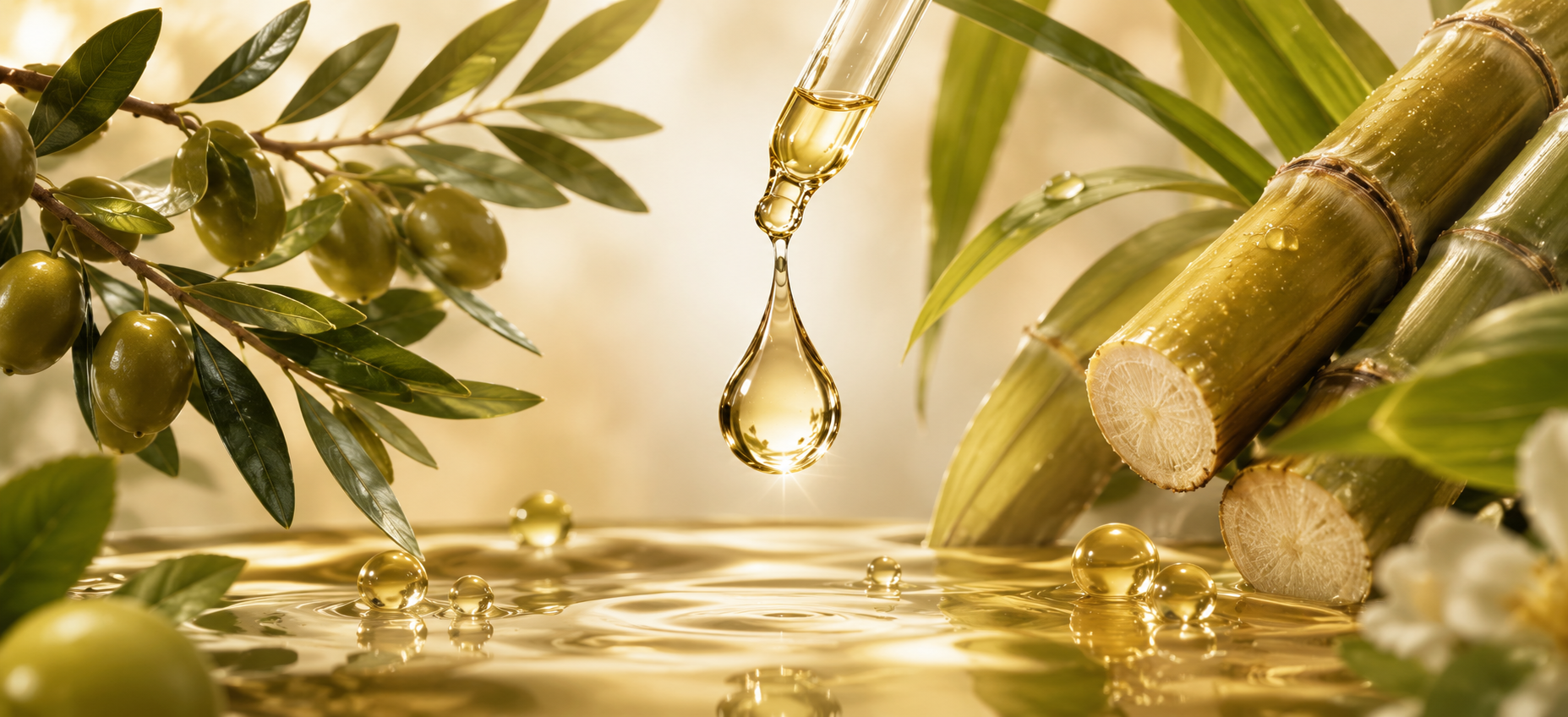
Today, cosmetic squalane is almost always sourced sustainably from plants such as olives or sugarcane rather than animal sources.
🧠 Did You Know?
Although our skin naturally produces squalene, production gradually decreases with age. This is one reason mature skin often feels drier than it did in earlier years.

Why Is Squalane Important?
Healthy skin depends on a strong barrier.
The outermost layer of the skin—the stratum corneum—contains an organised mixture of ceramides, cholesterol and fatty acids that work together to prevent excessive water loss.
Although squalane is not one of the skin's structural barrier lipids, it behaves in a very skin-friendly way.
When applied topically, it forms a light, breathable layer across the surface that helps:
- reduce transepidermal water loss (TEWL)
- improve skin softness
- support flexibility
- reduce feelings of tightness
- leave skin feeling smoother and more comfortable.
Unlike heavier occlusive ingredients, squalane spreads easily across the skin, making it comfortable to wear throughout the day.
For many people, it delivers moisturising benefits without the rich or greasy feel associated with traditional oils.
💡 Joanne's Insight
One of the reasons I enjoy recommending squalane is its versatility. Clients often assume richer products must feel heavy to be effective, but squalane shows that's not the case. It gives skin a beautifully conditioned feel while remaining elegant enough for daily use—even under sunscreen or makeup.
How Does Squalane Work?
Rather than adding water to the skin, squalane helps the skin make better use of the moisture it already has.
Think of the skin barrier as a brick wall.
The skin cells are the bricks.
The surrounding lipids act as the mortar that helps hold everything together.
Squalane settles across this surface, helping improve lubrication between skin cells while reducing moisture escaping into the environment.
As a result, skin often feels:
- softer
- smoother
- less tight
- more comfortable
- better protected from everyday environmental stress.
Because it closely resembles components already found within human sebum, squalane generally feels exceptionally lightweight compared with many heavier botanical oils.

❌ Myth vs ✅ Reality
Myth: Squalane is an oil that clogs pores.
Reality: Squalane is considered lightweight and has a low tendency to clog pores. Many people with oily or combination skin find it comfortable because it conditions the skin without leaving a heavy residue.
Who Can Benefit From Squalane?
One of squalane's greatest strengths is its versatility.
Dry Skin
Dry skin lacks sufficient oils.
Squalane helps replenish surface lipids while improving softness and comfort.
Dehydrated Skin
Although dehydration is a lack of water rather than oil, reducing water loss can help maintain hydration more effectively.
Sensitive Skin
Because squalane is simple, stable and generally well tolerated, it is commonly included in products formulated for delicate or reactive skin.
Mature Skin
As natural lipid production declines with age, squalane can help restore a softer, more comfortable skin feel.
Oily Skin
Many people avoid moisturisers because they fear adding more oil.
In reality, lightweight moisturising ingredients such as squalane may help maintain skin comfort without feeling greasy.
👩⚕️ Skin Therapist Tip
Apply moisturisers containing squalane while your skin is still slightly damp after cleansing or using a hydrating mist. This helps lock in surface moisture and supports a more comfortable skin barrier throughout the day.
Why Formulators Love Squalane
From a formulation perspective, squalane offers several advantages.
It is:
- exceptionally stable
- lightweight
- non-sticky
- colourless
- virtually odourless
- suitable for almost every skin type
- compatible with many other skincare ingredients.
It also layers beautifully alongside ingredients such as:
- ceramides
- hyaluronic acid
- niacinamide
- peptides
- vitamin C
- retinal
- botanical oils.
Rather than replacing these ingredients, squalane complements them by improving skin comfort and supporting the skin barrier.

Why This Matters
Healthy skin isn't simply about adding more active ingredients.
It's about creating an environment where the skin barrier can function well every day.
When the barrier remains comfortable and hydrated, skin is often better able to tolerate environmental stress, maintain moisture and support its natural renewal processes.
Squalane doesn't dramatically change how the skin functions overnight.
Instead, it quietly supports one of the most important foundations of healthy skin: maintaining a comfortable, resilient barrier.
For this reason, it has become one of the most respected moisturising ingredients in modern skincare.
✨ Why It Matters
Whether your routine focuses on hydration, barrier support, healthy ageing or calming sensitive skin, squalane fits naturally alongside almost every skincare ingredient. Its elegant texture and skin compatibility make it a dependable choice throughout every stage of a skincare journey.
Squalane in Shanga Skincare
Within the Shanga collection, squalane is carefully selected for its ability to provide lightweight nourishment while supporting skin comfort.
You'll find it in:
- Restore Cream, where it helps replenish surface lipids and supports a healthy skin barrier.
- Soothing Hydrogel Mask, where it works alongside ingredients such as ectoin, beta-glucan and saccharide isomerate to leave skin feeling calm, hydrated and comfortable.
Rather than acting as the hero ingredient on its own, squalane complements other barrier-supporting ingredients to create balanced, well-rounded formulations.
Conclusion
Squalane is one of those rare skincare ingredients that combines elegant texture with dependable science. By closely resembling natural skin lipids, it helps reduce moisture loss, improve softness and support a healthy skin barrier without feeling heavy or greasy.
Its simplicity is part of its strength. Suitable for almost every skin type and compatible with many other ingredients, squalane is a versatile addition to routines focused on hydration, barrier support and long-term skin health.
Key Takeaways
- Squalane is a stable version of the naturally occurring lipid squalene.
- It helps reduce moisture loss by supporting the skin's protective barrier.
- Its lightweight texture makes it suitable for dry, oily, combination and sensitive skin.
- Squalane works well alongside ingredients such as ceramides, niacinamide, hyaluronic acid and peptides.
- It provides moisturising support without feeling greasy or heavy.
- Healthy skin depends on a strong, well-supported barrier—not just active ingredients.
Continue Your Learning
Squalane helps protect moisture already within the skin, but many botanical oils also provide beneficial fatty acids, antioxidants and naturally occurring vitamins.
In the next lesson, we'll explore Sea Buckthorn Oil—a vibrant botanical oil rich in omega fatty acids and carotenoids, and discover why it has become one of skincare's most celebrated ingredients for supporting healthy-looking skin.