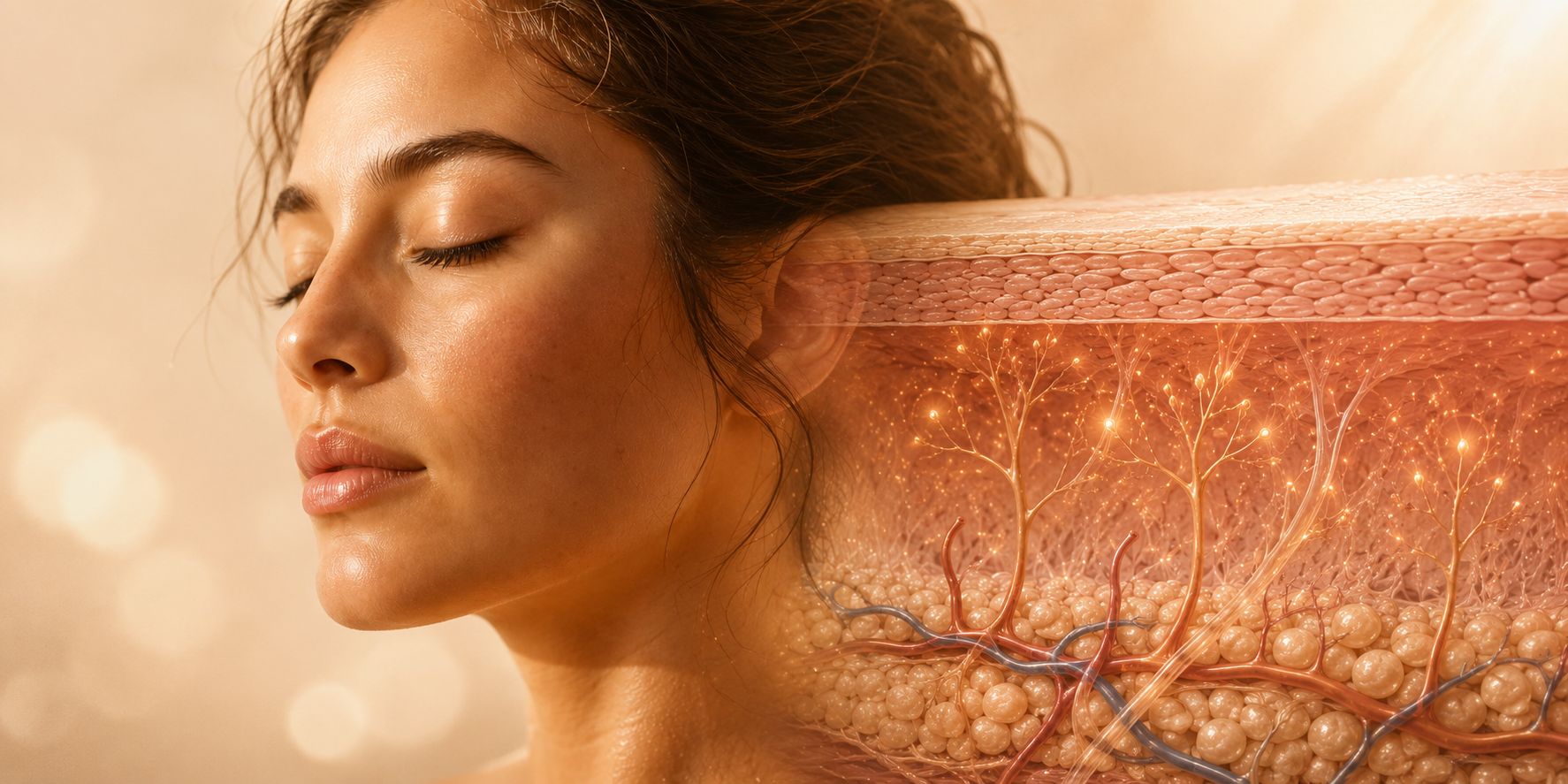
Understanding Your Skin
More Than Just a Protective Covering
Your skin is the largest organ in your body, yet it's often one of the least understood.
Most people think of skin simply as something we wash, moisturise or protect from the sun. In reality, your skin is a remarkable living organ that works continuously to defend, repair and communicate with the world around you.
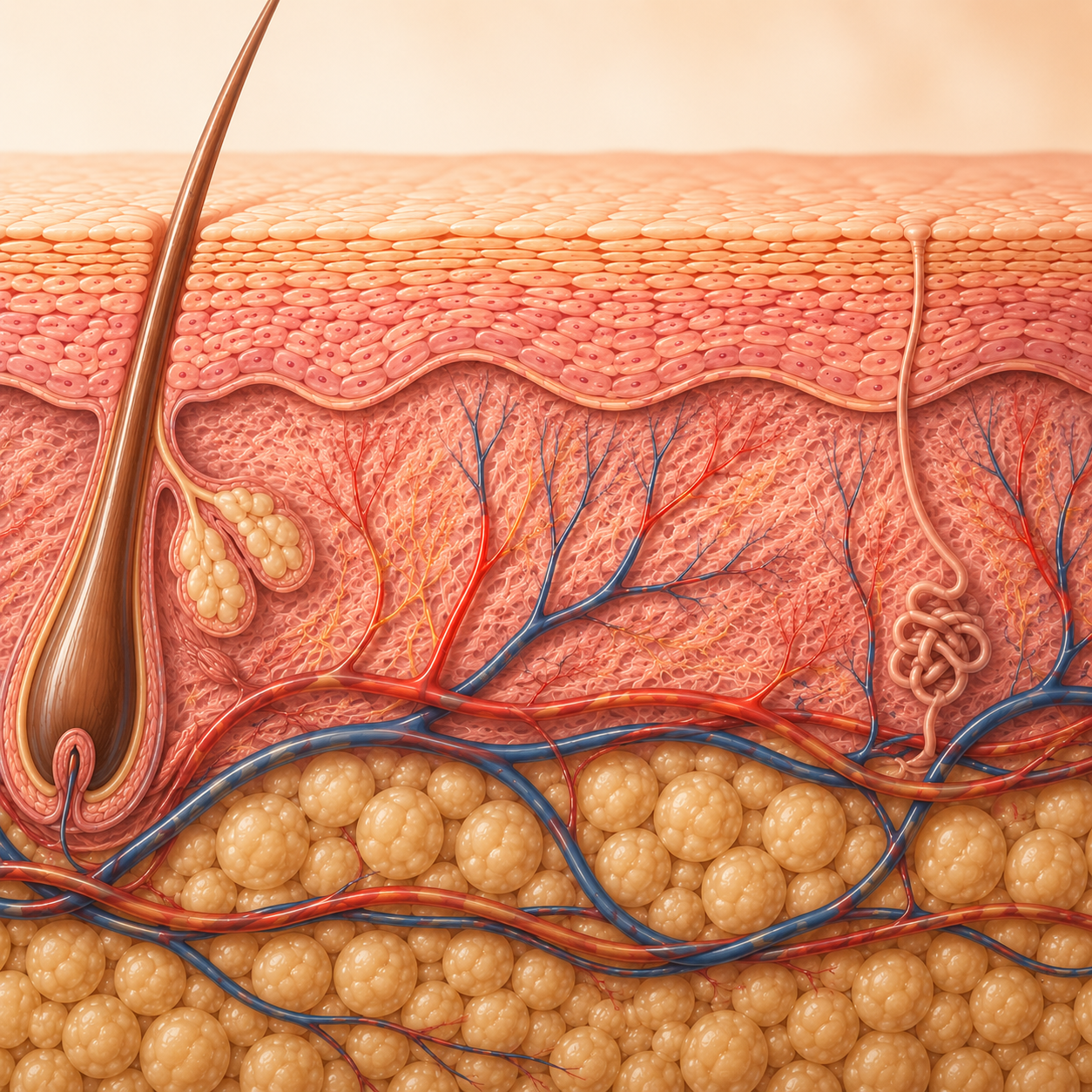
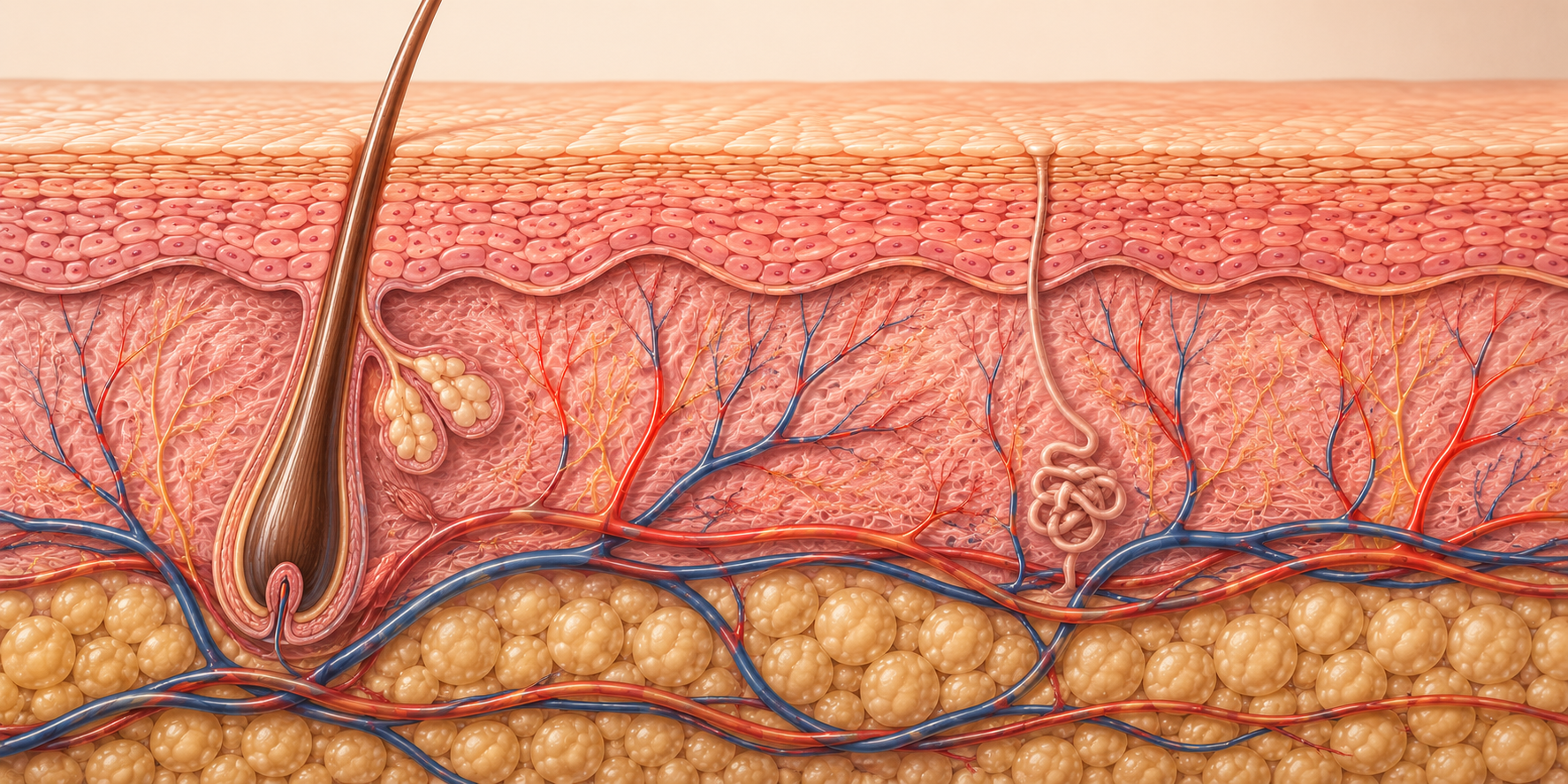
Every second of every day, millions of tiny biological processes are taking place beneath the surface. New skin cells are being created, damaged cells are being repaired, water is moving through the skin, collagen is being produced, and your immune system is constantly identifying and responding to potential threats.
Healthy skin isn't created overnight, and it isn't achieved by using the most expensive products. It begins with understanding how your skin works and giving it the support it needs to do its job well.
What Does Skin Actually Do?
Your skin performs many important functions, often without you ever noticing.
It acts as a protective barrier, shielding your body from pollution, bacteria, viruses and environmental irritants. It helps regulate body temperature by producing sweat and controlling blood flow. It prevents excessive water loss, helping your body stay hydrated. It allows you to experience touch, pressure, heat and cold through millions of specialised nerve endings. It also plays an important role in your immune system by recognising and responding to potential threats before they can cause harm.
Every one of these functions contributes to healthy, resilient skin.
When your skin is functioning well, it usually feels comfortable, looks balanced and recovers quickly from everyday stress. When these natural systems become overwhelmed or disrupted, skin may become dry, sensitive, congested, inflamed or show signs of premature ageing.
Healthy Skin Is Always Working
Even while you're sleeping, your skin never stops.
Throughout the day it protects you from ultraviolet radiation, pollution and changing weather conditions. At night it shifts its focus towards repair and renewal, replacing old skin cells, rebuilding damaged proteins and strengthening its protective barrier.
This constant cycle of protection, repair and renewal is what keeps healthy skin functioning at its best.
Rather than trying to "fix" your skin, good skincare supports these natural processes so your skin can perform them more effectively.
Every Person's Skin Is Different
No two people have exactly the same skin.
Your skin is influenced by many different factors, including genetics, age, hormones, lifestyle, environment and daily habits.
This is why a product that works beautifully for one person may not be the right choice for someone else.
Understanding your own skin is far more valuable than following trends or copying someone else's routine.
The goal isn't perfect skin.
The goal is healthy skin that functions well.
What Healthy Skin Looks Like
Healthy skin doesn't have to be flawless.
In fact, pores, natural texture and occasional blemishes are completely normal.
Instead, healthy skin is generally:
-
Comfortable, without persistent tightness or irritation.
-
Well hydrated and supple.
-
Even in tone, with a natural healthy glow.
-
Strong enough to tolerate everyday environmental stress.
-
Able to recover efficiently after minor irritation or damage.
Healthy skin is resilient rather than perfect.
How Skincare Supports Your Skin
Your skincare routine should work with your skin—not against it.
Each product has a different role.
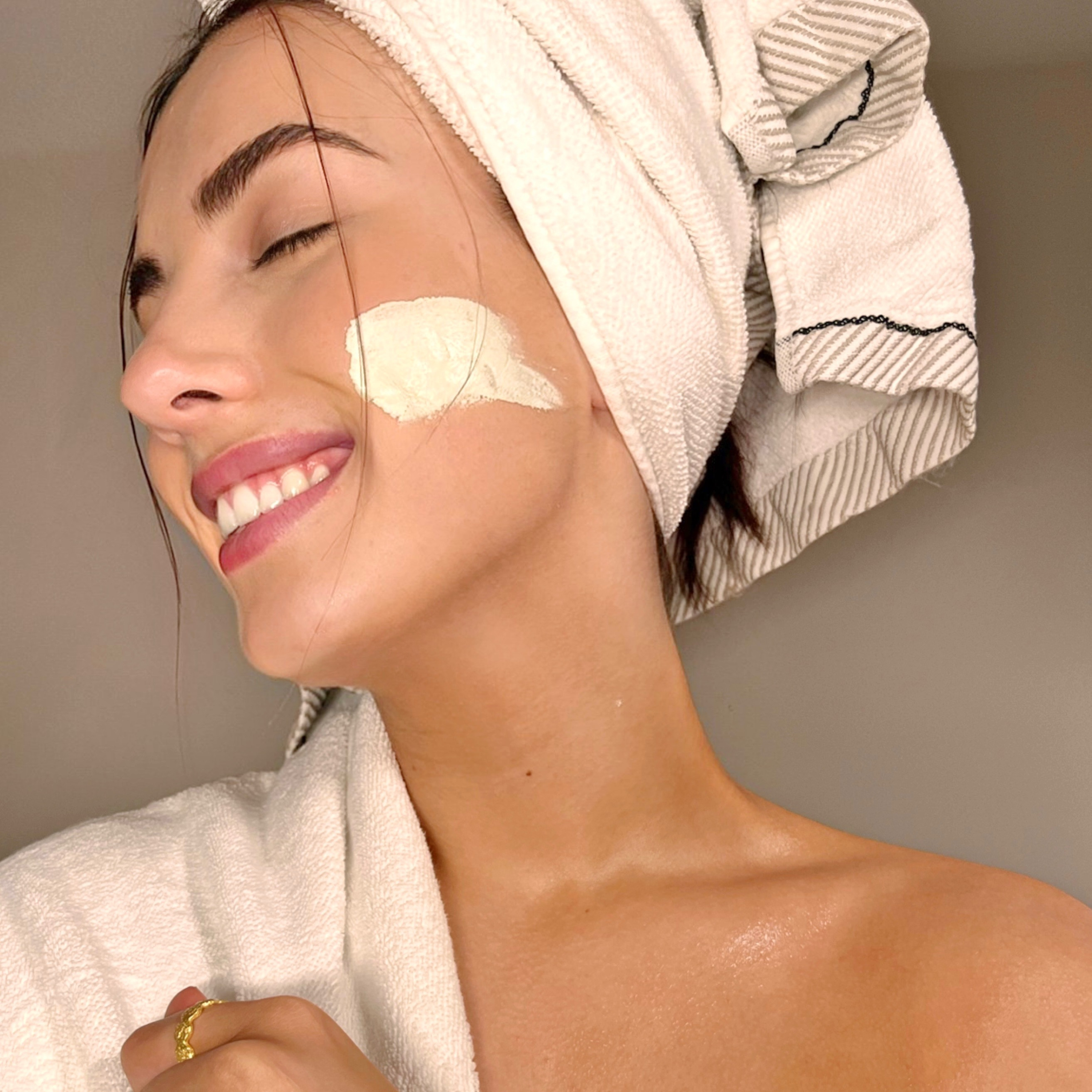
A cleanser removes dirt, sunscreen and excess oil without disrupting the skin's protective barrier.
Hydrating products replenish water within the skin.
Moisturisers help reduce water loss and strengthen the barrier.
Targeted serums deliver ingredients that address specific skin concerns such as pigmentation, dehydration or fine lines.
Daily sunscreen protects skin from ultraviolet damage, one of the biggest contributors to premature ageing.
When these products are chosen thoughtfully and used consistently, they support your skin's natural ability to protect, repair and renew itself.
Key Takeaways
-
Your skin is a living organ that performs many vital functions every day.
-
Healthy skin is constantly protecting, repairing and renewing itself.
-
Good skincare supports your skin's natural biology rather than replacing it.
-
Every person's skin is unique, which is why personalised routines are so important.
-
Understanding how your skin works is the first step towards making confident skincare decisions.