What Is Rosacea? Understanding the Causes, Symptoms & Best Ways to Manage It
What is Rosacea?
Rosacea is more than just occasional redness or sensitive skin. It is a chronic inflammatory skin condition that can affect confidence, comfort, and overall quality of life. While rosacea is common, it is often misunderstood or mistaken for acne, allergic reactions, or general skin sensitivity.
The good news is that with the right knowledge, skincare approach, and lifestyle management, rosacea can often be effectively controlled and supported.
Understanding Rosacea
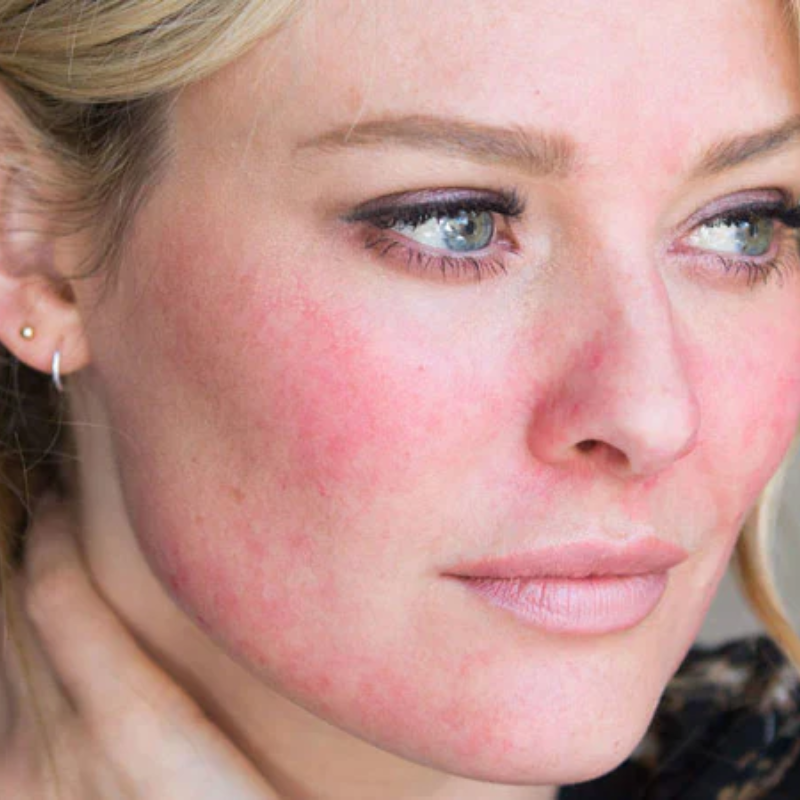
Rosacea primarily affects the central areas of the face, including the cheeks, nose, chin, and forehead. It commonly appears as persistent redness, flushing, visible blood vessels, and sometimes acne-like bumps or irritation.
For some people, symptoms come and go in cycles. Others may experience ongoing redness or sensitivity that gradually worsens over time if left unmanaged.
Although rosacea is not dangerous, it can significantly impact emotional wellbeing and self-esteem, especially during flare-ups.
A Brief History of Rosacea
Rosacea has been recognised for centuries, with medical descriptions dating back to the 14th century. Historically, it was often confused with acne due to the presence of bumps and inflammation.
Today, rosacea is understood as its own distinct condition with specialised treatment pathways and skincare recommendations.
Who Gets Rosacea?
Rosacea most commonly affects adults over the age of 30 and is particularly prevalent in people with fair or sensitive skin. However, it can occur in all skin tones and ethnicities.
Women are diagnosed more frequently, though men often experience more severe symptoms, particularly thickening around the nose area.
Research suggests rosacea affects millions of people worldwide, making it one of the most common chronic inflammatory skin conditions.
What Causes Rosacea?
There is no single known cause of rosacea. Instead, experts believe it develops from a combination of genetic, environmental, immune, and lifestyle factors.
Genetic Factors
Rosacea often runs in families, suggesting a hereditary component. Some individuals may inherit heightened skin sensitivity or inflammatory responses that increase their likelihood of developing rosacea.
Environmental Triggers
External factors can aggravate rosacea-prone skin, including:
- Sun exposure
- Heat and humidity
- Cold weather and wind
- Pollution
- Harsh skincare products
- Over-exfoliation
UV exposure is one of the most common triggers and can significantly worsen redness and inflammation over time.
Lifestyle & Dietary Triggers
Many rosacea sufferers notice flare-ups linked to specific foods or habits, such as:
- Spicy foods
- Alcohol
- Hot drinks
- Stress and anxiety
- Intense exercise
- Lack of sleep
Because triggers vary from person to person, keeping a symptom diary can help identify patterns.
Common Symptoms of Rosacea
Rosacea symptoms can range from mild to severe and may evolve over time.
Typical signs include:
- Persistent facial redness
- Frequent flushing
- Visible blood vessels
- Skin sensitivity or burning
- Dryness and irritation
- Acne-like bumps or pustules
- Swelling and inflammation
Some people also experience symptoms affecting the eyes, including dryness, irritation, redness, or watery eyes.
The Different Types of Rosacea
Understanding the different forms of rosacea can help guide more effective treatment and skincare choices.
Erythematotelangiectatic Rosacea (ETR)
This type is characterised by:
- Persistent redness
- Flushing
- Visible capillaries or broken blood vessels
- Skin sensitivity
ETR is often the earliest stage of rosacea.
Papulopustular Rosacea
Often mistaken for acne, this form includes:
- Red inflamed bumps
- Pus-filled pustules
- Ongoing redness and sensitivity
Unlike acne, rosacea-related bumps usually occur without blackheads.
Phymatous Rosacea
A rarer but more severe form that causes skin thickening and uneven texture, particularly around the nose.
Ocular Rosacea
This type affects the eyes and eyelids, causing:
- Redness
- Dryness
- Irritation
- Burning sensations
- Watery eyes
Ocular rosacea should be professionally assessed to prevent complications.
How Is Rosacea Diagnosed?
There is no single test for rosacea. Diagnosis is typically based on:
- Visible symptoms
- Medical history
- Skin examination
- Trigger patterns
Because rosacea can resemble acne, eczema, lupus, or allergic dermatitis, professional diagnosis is important.
If redness persists, worsens, or does not respond to general skincare, consulting a dermatologist is recommended.
Rosacea Treatment Options
While rosacea cannot currently be cured, many treatments can help reduce symptoms and improve skin comfort.
Medical Treatments
Topical Medications
Dermatologists may prescribe:
- Metronidazole
- Azelaic acid
- Ivermectin creams
- Anti-inflammatory treatments
Oral Medications
In moderate to severe cases, oral antibiotics or other anti-inflammatory medications may be used.
Laser & Light Therapy
Laser treatments can help reduce visible blood vessels and persistent redness by targeting dilated capillaries.
Gentle Skincare for Rosacea
Skincare plays a major role in rosacea management. The goal is to support the skin barrier while minimising inflammation and irritation.
Daily Rosacea Skincare Tips
Choose Gentle Products
Look for:
- Fragrance-free formulas
- Barrier-supportive ingredients
- Non-stripping cleansers
- Soothing hydration
Avoid:
- Harsh scrubs
- Strong acids
- Over-exfoliation
- Alcohol-heavy products
Prioritise Hydration
Rosacea-prone skin is often dehydrated and barrier impaired. Ingredients such as glycerin, sodium PCA, panthenol, ceramides, and hyaluronic acid can help support moisture balance.
Wear Sunscreen Daily
Daily SPF is essential, as UV exposure is one of the leading rosacea triggers.
Mineral sunscreens are often better tolerated than chemical filters for highly reactive skin types.
Managing Rosacea Flare-Ups
Flare-ups can feel frustrating, but identifying triggers and simplifying your routine can make a significant difference.
During a flare-up:
- Reduce active ingredients
- Focus on calming hydration
- Avoid heat exposure
- Minimise friction and exfoliation
- Keep skincare simple
Stress management can also help, as emotional stress is a common trigger for many people.
The Emotional Impact of Rosacea
Rosacea is not simply a cosmetic concern. Persistent redness and visible inflammation can affect confidence, social comfort, and emotional wellbeing.
Many individuals experience:
- Self-consciousness
- Anxiety around flare-ups
- Frustration with unpredictable symptoms
- Reduced confidence
Support from skincare professionals, dermatologists, counsellors, or rosacea communities can help individuals feel more empowered and supported.
Living Well With Rosacea
Managing rosacea is often about consistency rather than perfection. Building a routine that protects the skin barrier and minimises triggers can lead to significant improvements over time.
Helpful long-term strategies include:
- Maintaining a simple skincare routine
- Avoiding known triggers
- Wearing SPF daily
- Managing stress
- Staying hydrated
- Seeking professional advice when needed
Many people successfully manage rosacea and maintain healthy, comfortable skin with the right combination of skincare and medical support.
Future Directions in Rosacea Research
Research into rosacea continues to evolve, with scientists exploring:
- The skin microbiome
- Immune system dysfunction
- Genetic influences
- Barrier repair therapies
- New anti-inflammatory ingredients
Emerging treatments may offer more personalised and targeted management options in the future.
Final Thoughts
Rosacea is a chronic but manageable condition. Understanding your triggers, supporting the skin barrier, and using gentle, calming skincare can make a substantial difference in reducing flare-ups and improving skin comfort.
If you suspect you may have rosacea, seeking professional guidance early can help prevent worsening symptoms and create a more effective long-term treatment plan.
With patience, consistency, and the right support, it is entirely possible to live confidently and comfortably with rosacea.
Glossary
Erythema: Redness of the skin caused by increased blood flow.
Telangiectasia: Small visible blood vessels near the surface of the skin.
Skin Barrier: The outer protective layer of the skin that helps retain moisture and defend against irritants.
Helpful Resources
Professional Organisations
Recommended Reading
- Rosacea: Diagnosis and Management by Mark M. Davis
- The Rosacea Handbook by Michael J. Sweeney